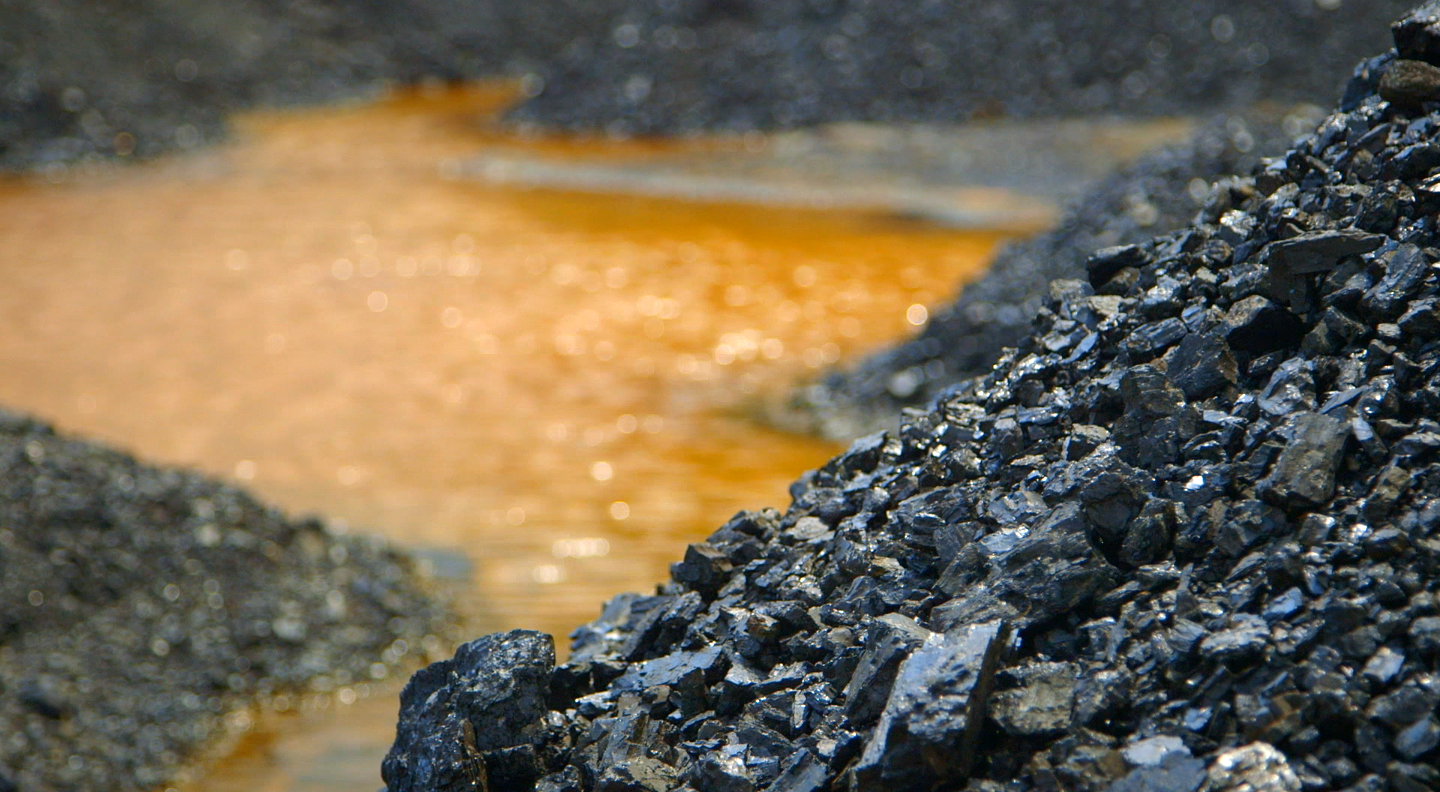
Solar Power and planet earth are celebrating another great win, thanks to the decision by the world’s biggest coal mining company to shut down 37 of its mining sites since their operations are no longer financially viable as solar energy has become cheaper.
Coal India, which generates more than 80% of India’s coal, is expected to close the 37 sites by March 2018. When combined, these sites deliver about 9 percent of the total coal production in India.
India setting the pace in renewable energy
India is certainly leading the way in renewable energy adoption across the globe. The Indian government declared last week, “Our focus is now on renewable energy. The government will encourage solar power.” This statement was made in response to speculations that the government had suspended plans to set up a new coal plant in the regional India.
According to Tim Buckley a renowned financial analyst in the vast energy industry, “Measures taken by the Indian government to improve energy efficiency coupled with ambitious renewable energy targets and the plummeting cost of solar has had an impact on existing as well as proposed coal-fired power plants, rendering an increasing number as financially unviable.”
All vehicles will be electric
The recent news about coal mining follows an announcement to the effect that the nation will only sell electric cars after 2030. It’s becoming apparent that coal doesn’t just fuel climate change problems, but deadly to human health as well. Today, air pollution accounts for the deaths of over 1 million Indians each year with the effects extending to the rest of the world.
Reducing coal burning and emission of noxious gases from cars is a sure way to cut on pollution and improve air quality in the rapidly growing nation. The UN report released recently shows a continued boom in the country’s population. The report further predicts that by 2024, India will be the most populated country on the face of the earth, surpassing China by far.
China warming up to the challenge
China is not taking the challenge lying down; it’s clearly leading the rest in renewable energy. The country is making huge capital allocations towards renewable energy than any other country. At the beginning of this year, the nation launched the operations of the world’s biggest floating solar power plant which is actually floated in the city of Huainan, in China’s eastern Anhui province.
Ironically the plant floats atop a flooded coal mining station with a production capacity of 40 megawatts (MW), which can adequately power a small town. Indeed, installing floating solar panels is more advantageous. Firstly, they use the least amount of ground space, and the cooling effect of the water helps increase their efficiency.
Largest coal-powered power plant to face closure
The U.S. is also not being left behind in the coal reducing matter. Earlier this year, the biggest coal-fired power plant located in the West stated its intention to shut its operations later this year. The owners of the Arizona-based Navajo Generating Station, one of the largest climate polluters in the U.S. said generating electricity from coal was becoming too costly, hence forcing them to consider winding up the plant. This news created havoc within the power industry, causing the coal supply Peabody Energy to sell coal at lower prices and liaise with existing owners to find new partners with no impending shutdown period.