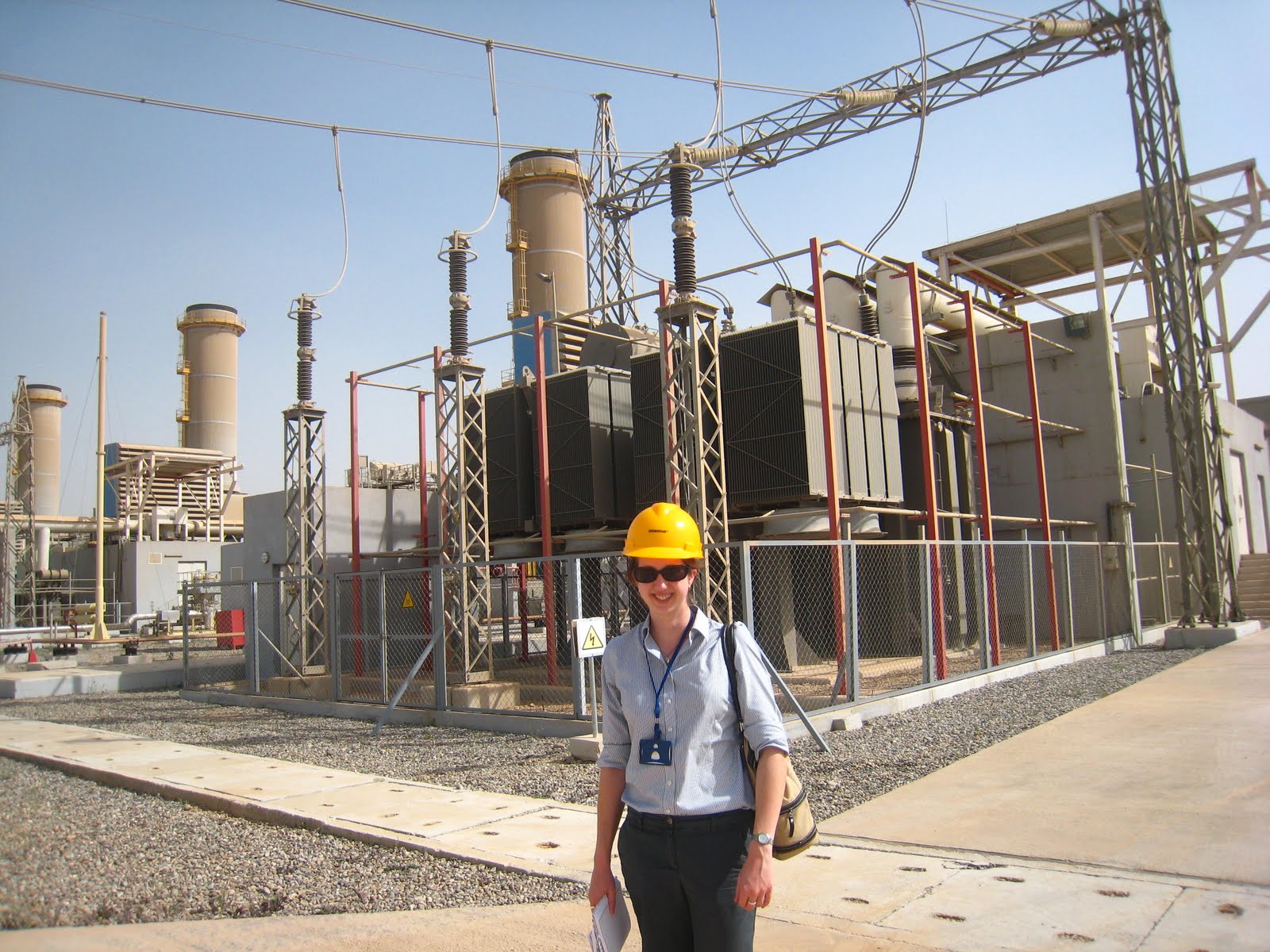
Australia generates electricity from several energy sources. Coal fired power stations, oil, natural gas, hydro power and solar power among other renewables are all used to produce electricity. This is called the energy mix. But once generated in a power station, this electricity isn’t ready to be sent to homes and businesses. The appliances and devices that we use require a given voltage of electricity to run or charge safely. Enter the electricity substation.
In Australia, there are countless substations that are all connected to at least one power station across the country. At some point, the electricity flowing from these substations is connected with energy flowing from other substations. This is known as the grid. Historically, substations were connected to only one power station so it was easy to track where electricity in a given area had been produced. With today’s system it is impossible to track electricity sourced from renewable energy from electricity generated by non-renewable sources. A flow of electrons, once in the grid, become anonymous, so to speak.
A substation’s main purpose is to convert the voltage of an electric current from high to low, or from low to high, using a device called a transformer. Equipment that is commonly found is substations includes switching, protection, control equipment, transformers, and often power factor correctors and voltage regulators. An electricity substation may be located indoors or outdoors, above ground or below ground and varies greatly in size or capacity.
Skyscrapers may host several indoor substations (typically in the basement) while other substations may take up whole buildings for themselves. Electricity may flow through several substations before it reaches an end consumer.