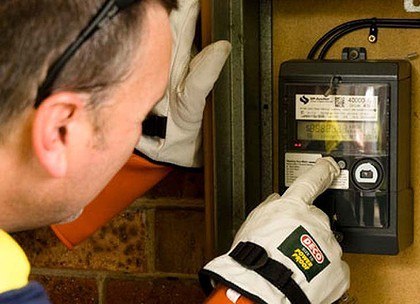
Ausgrid, one of the leading electricity networks in Australia, has been at the forefront of smart meter technology development, and is changing traditional electricity networks by introducing and implementing smart grid technology including communications network, new metering devices and other types of smart systems. The Ausgrid Smart grid also provides data about the network so there are fewer power interruptions and gives households access to renewable energy.
The Company’s Smart Metering Projects
The company has been developing a communications platform and has produced more than a thousand kilometers of fibre optic cables, and they have installed several hundred communication switches. They have also set up IP technologies linked to more than two hundred depots and key substations. This telecommunication backbone serves as the basis for smart meter and provides for better equipment control and monitoring, repair and leads to better decision making.
In addition the company has been rolling out more than 11,500 monitoring equipment in its network, allowing them to minimize outages as they’re able to find faults more quickly and this also leads to faster and more reliable maintenance. At the same time, their grid provides consumers with the tools they need to better manage their energy bill, and furthermore, their consumer service ensures you have the means to assess their energy consumption.
Types of Ausgrid Consumer Tools
The company provides mechanical metering devices including those with odometer and dial displays, and they are designed to monitor the energy you are consuming. If you own any of these meters, the amount charged will be the same no matter when it is used. The newer, electrical meters can be used at intervals of 30 minutes, so this means the electricity rates will depend on the time.
There are several benefits to using electrical metering devices, not the least being you will know how much energy you are consuming, often in real time and in addition you’ll have the opportunity to avail of new smart grid plans. These devices are also known as use meters and interval meters. Their more advanced electricity meters are capable of downloading data every 30 minutes, and the information will also be sent to the company’s billing and metering system. Before your bill is sent out, a total of ten separate checks will be conducted.
Back End IT and Business Systems
The increasing dependence on smart metering and grid systems means there is greater need for new processes, customer tools and technologies, and the company is taking steps to make sure that data can be converted into information that their customers and households will find useful.
As Ausgrid has often pointed out, the smart meter will be the primary means by which energy and carbon will be managed by homes in Australia. Already, more than 4,000 smart metering devices have been installed with 200,000 1st generation metering devices having a time of use bill feature. It is for this reason why the company wants regulations in the industry changed to encourage more investments, which will ultimately benefit customers and business establishments as well.