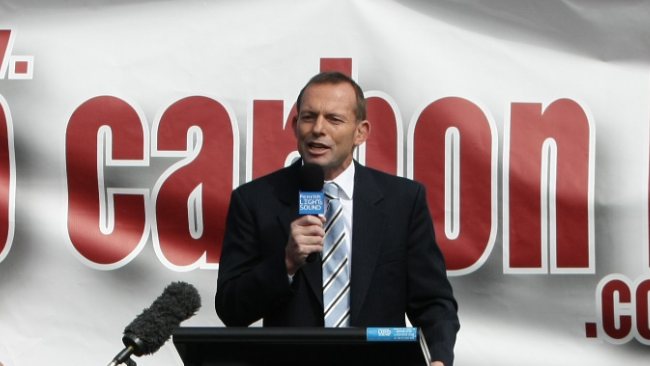
The thorny issue of carbon tax has come up again with the latest report from European consultancy Ecofys, which indicates there’s still a divide between commitments to preventing changes in the climate from worsening and what is actually being done. According to the report, Australia has to reduce its emissions by at least 27% by the year 2020 and 82% by 2030 for its efforts to bear any fruit.
Greater Commitment Necessary
According to economists like Frank Jotzo and Ross Garnaut, the Australian government’s 2020 greenhouse target has to be increased from the current 5% cut that is supported by the major political parties, to 15% which is comparable to those of other countries. The Ecofys report also indicates that the emissions in the country has emitted two thirds more than the carbon budget, which sets the emission limit that should have been allowed. The carbon cuts budget, it should be noted, was planned to slow down global warming and keep the increase to less than two degrees.
Can the Emission Targets be met?
If the country’s emission level remains the same, the 10 billion tone carbon dioxide budget will be used up in less than 10 years. For Australia to reach its target of 0% emission by 2050 they need to reduce emissions by 34% by 2020 and as noted earlier, by 82% or 100% by 2030. But as WWF Australia has shown, the country has gone past its carbon budget and need to make a 25% reduction to meet the long term goal.
The Climate Change Authority meanwhile, prefers to assess the country’s situation and what a reasonable cut has to be. While it does take into consideration the need for carbon cuts, the Authority also wants to look into what other nations are doing and what the effects of further emissions will have on the economy.