New South Wales Parks and Wildlife service says it will continue to invest in solar power, despite a lower-than-expected feed-in tariff.
The state’s Independent Pricing and Regulatory Tribunal (IPART) is now recommending a tariff of between five and ten cents for every kilowatt hour of solar energy fed into the grid.
That’s about half what the industry had been expecting.
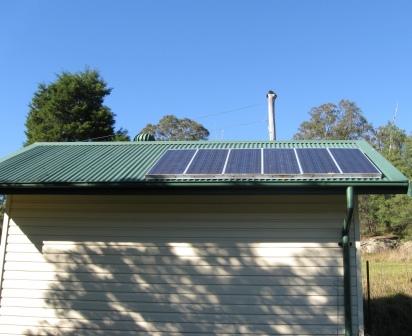
New South Wales Parks and Wildlife Service has invested in 12 grid connected solar-power systems around the far west.
Regional Operations Coordinator Paul Seager said the lower tariff may deter people from investing in the short-term, but the industry does have a future in Australia.
“I would like to think with our clear, sunny skies, and the distances between locations, and the cost of installing large transmission lines, and the cost of installing power plants that I’m hopeful grid-connected solar will play a part in Australia’s energy future,” he said.
He said Parks and Wildlife is locked into a tariff of up to 60 cents per kilowatt hour for its 350 solar panels.
But he said when that contract expires, the service will continue to invest in solar energy.
“Regardless of our own tariff we’ll continue to generate much of our own power and significantly reduce our carbon footprint,” he said.
“So, regardless of the tariff, that’s two very important outcomes that we’ll continue to enjoy regardless of the tariff at the time.”
by ABC News