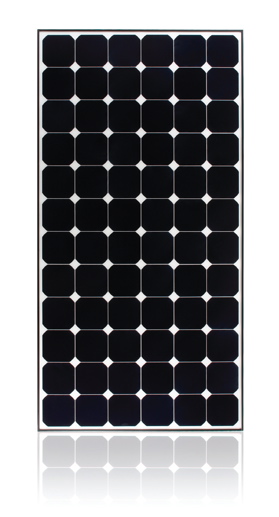
Twin Creeks Technologies has introduced a new silicon wafer called Mono-Crystalline Solar wafer, a production system that reduces the cost and the thickness of solar modules and semiconductor devices.
The Hyperion system reduces the amount of silicon and other substrate materials used in the production by up to 90%.
The Americal company takes advantage of a technology called Proton Induced Exfoliation (PIE) This technique produces mono-crystalline solar wafers that are 1/10th the thickness of today’s conventional wafers.
Twin Creeks estimates that the Hyperion will give solar manufactures the ability to produce solar cells for under 40 cents a watt in commercial scale volumes. The cost is expected to decline over time with the technology developing.
“The thickness of wafers today is based on wafer slicing capabilities and the handling requirements for device processing. In reality, only the very top layer of a substrate plays an active role in generating energy or transmitting signals — the rest is wasted,” said Dr. Siva Sivaram, CEO of Twin Creeks. “By eliminating excess material, we will help solar manufacturers produce modules that compete with grid power and open up new markets for chip makers.”
by Australian Solar Quotes