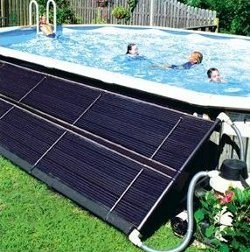
Solar Installation Cuts Pool Pump Costs
A recently released report from NSW’s Independent Pricing and Regulatory Tribunal (IPART) help explains why households of the same size may have very different electricity bills – with one factor being the presence of a swimming pool. Data drawn from surveys of energy and water use in Sydney, the Hunter, Gosford and Wyong households identified factors having the most impact on household energy consumption. One of the biggest electricity suckers identified were swimming pool pumps -adding approximately $620 per annum to a household’s electricity bill. In November this year, we reported a typical backyard swimming pool using 1.5kW pool pump can add up to 17% to an electricity bill. This cost can be entirely offset by solar installation: installing solar panels, while adding value to a home and slashing a household’s carbon footprint. The cost of a 1.5kW home solar power installation in Sydney can be recouped in 5 – 6 years through electricity savings and the system will then go on to save many thousands of dollars more over its long life. Other appliances identified by IPART as significantly contributing to power bills given their reasonably limited use were spas, second fridges, dishwashers, clothes dryers and air conditioners, all of which is possible to offest with solar instalaltion. A more regularly used item – electric hot water systems – also received a mention, particularly in relation to “empty-nester” households where a hot water service may be far larger than required; unnecessarily and significantly adding to electricity bills. Electric and gas hot water systems account for approximately 20% of a household’s greenhouse gas emissions. Installing a solar hot water system not only greatly reduces these emissions but can also save up to 75% of water heating costs. Solar hot water rebates are still available for households replacing electric water heaters. The next few years will see an increasing number of households take a special interest in their power bills, and consider solar installation. A recent report from the Australian Energy Market Commission (AEMC) estimates residential electricity prices will jump by 37% in nominal terms on average by 2014.
by Energy Matters