by Australian Solar Quotes
Moving into 2012, the Australian Carbon Tax can no longer be avoided by Australian industry. It may seem unfair to a lot of Australian but the carbon tax is now impossible to ignore. Australia is well behind a lot of European countries who begun the implementation of a carbon tax up to ten years ago.
Experts say that the Carbon Tax scheme associated with the Carbon is one of the worlds best, yet there is still a lack of understanding which creates fear, anger and apathy.
The Carbon Tax and the Effect on Industry
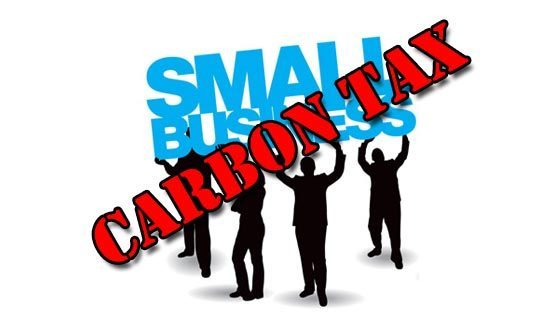
One of the factoring issues with the Carbon Tax is just whom exactly will experience the affect, and how will it affect them. At present, the finger is being pointed at big business but the latest report from Siemens suggests that the bill may be shared through all industry.
Industrial analytics Marketing Manager Brendan Welsh cites this relaxed attitude as the cause for a possible blind-siding of these small to mid-range businesses, which unlike their larger counterparts, do not have the same carbon excess monitoring systems in place.
But this is not the only problem that these businesses face by not monitoring their carbon output. In fact, this may be the least of their problems. Its also the other dangerous and environmentally damaging chemicals which are often looked over, or fly under the radar.
“For instance, nitrous oxide has the ability to trap 296 times more heat per kilogram than carbon dioxide, while sulphur hexafluoride can trap 22,200 times more heat per kilo than CO2,” says Welsh, “You can see the global warming potential of these gases could be extreme if they remained unchecked. And companies exceeding the legal limit they can release into the environment will have to pay”.
“Monitoring which gasses are being expelled into the atmosphere is the first step companies can take in reducing the amount of carbon and other environmentally harmful chemicals they produce”.